
Views: 0 Author: Site Editor Publish Time: 2026-05-26 Origin: Site


The home climate control landscape is changing rapidly today. The HVAC industry's massive shift toward electrification makes traditional combustion furnaces obsolete. However, many homeowners remain highly skeptical about heat pump performance in sub-freezing climates. This hesitation stems from past experiences. Outdated fixed-speed systems constantly struggle during extreme winters. They suffer from high energy bills, jarring operational noise, and a steep drop in efficiency when temperatures plummet. We need a better way to stay warm without draining our wallets.
Fortunately, modern engineering offers a powerful alternative. We will introduce the household inverter heat pump as the definitive, data-backed solution for cold-climate applications. You will discover how this advanced technology bridges the critical gap between high-efficiency cooling and reliable winter heating. Let us explore the mechanics behind this vital winter upgrade.
Variable Capacity: Inverter-driven compressors operate like adaptive cruise control, adjusting output between 30% and 100% rather than relying on inefficient on/off cycles.
Cold Weather Reliability: Advanced routing (like flash injection) allows modern systems to maintain up to 70% heating capacity even at 5°F (-15°C).
Verifiable Efficiency: Achieves a Coefficient of Performance (CoP) of 3.0 to 5.0, transferring heat at 300-500% efficiency compared to the 95-98% limit of high-end gas furnaces.
Longevity: Eliminating startup power spikes reduces mechanical wear, extending average system lifespans to 20-25 years.
Strict Sizing Standards: Proper ROI requires evaluating updated SEER2 and HSPF2 ratings and matching the system to the home's specific thermal "balance point."
Traditional heat pumps have a major design flaw. They operate at exactly 100% capacity until the thermostat clicks off. This binary operation creates noticeable temperature swings inside your living room. The room feels intensely hot during operation and chilly minutes later. It also generates high electricity surges upon every startup. You often hear a jarring "thunk" when the compressor suddenly kicks on. Standard systems lack nuance. They play a constant game of catch-up.
In contrast, an inverter heating system operates entirely differently. It pairs a variable-speed compressor and a variable-speed blower. They work together flawlessly. Think of this mechanism like an adaptive cruise control system in a vehicle. The unit accelerates fully to reach your target indoor temperature. Then, it throttles down to a low, continuous speed to maintain it perfectly. You never notice the subtle adjustments happening behind the scenes.
This continuous run-time logic might seem counterintuitive at first glance. You might assume running a machine longer uses more electricity. In reality, running longer at a much lower capacity draws significantly less power. It effectively limits grid strain compared to short, aggressive heating cycles. This smart operation translates directly to enhanced comfort and substantial monthly savings.
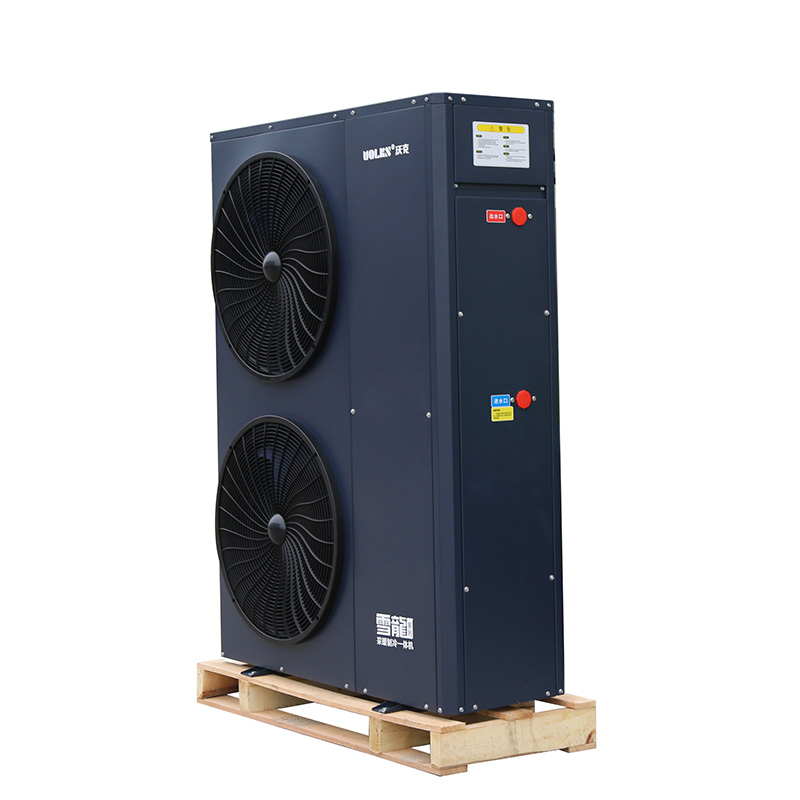
Modern engineering completely transforms cold-climate performance. Manufacturers now utilize specialized flash injection technology. This process actively reroutes refrigerants during active operation. Warm refrigerant flows back inside to boost heating power. Meanwhile, cooler refrigerant injects directly into the compressor. This supports high-speed operation without causing internal overheating. The compressor runs faster safely.
We have verifiable thresholds to prove this capability. Premium models operate effectively down to -13°F (-25°C). They maintain a comfortable indoor climate seamlessly across harsh winter nights. You no longer face immediate reliance on expensive auxiliary electric resistance strips. The system extracts usable heat from sub-freezing air efficiently.
A traditional furnace uses a simple combustion model. It burns fossil fuel directly to create heat. Heat pumps utilize a heat transfer model instead. They simply move ambient thermal energy from outdoors to indoors. This physical transfer process proves incredibly efficient. You move heat rather than manufacturing it.
We measure this efficiency using the Coefficient of Performance (CoP). A modern unit produces 3 to 5 units of heat for every 1 unit of electricity consumed. This creates an impressive CoP between 3.0 and 5.0. Traditional high-end gas furnaces max out at 95-98% efficiency. By eliminating constant on/off cycling, you achieve an additional 10-30% reduction in electrical usage. You save significantly compared to standard heat pumps.
Equipment durability offers a massive financial benefit. Reduced mechanical stress keeps your system running smoothly year after year. The compressor remains the absolute most expensive component in any HVAC setup. Standard units pound this compressor with hard starts daily. These violent starts degrade internal mechanics quickly.
Variable-speed technology eliminates these aggressive start-up current spikes. It drastically reduces internal wear and tear over time. This gentle operation pushes expected lifespans much higher. Standard units usually last about 15 years before failing. An inverter system pushes this operational timeline closer to 20 or 25 years safely.
End-user comfort improves dramatically following an upgrade. Continuous, low-speed variable blower operation eliminates annoying cold and hot spots. The system continuously circulates conditioned air gently throughout your entire living space. You experience an even temperature gradient from floor to ceiling.
This gentle airflow provides superior ambient humidity control. It prevents the dry, harsh air typical of winter furnace operation. Furthermore, it allows the outdoor unit to run whisper-quiet. You can finally enjoy a peaceful backyard environment. Your neighbors will no longer hear a noisy motor roaring next door.
Summary of Heat Pump Capabilities |
||
Performance Metric |
Standard Fixed-Speed Pump |
Variable-Speed Inverter Pump |
|---|---|---|
Typical CoP (Efficiency) |
2.0 - 3.0 |
3.0 - 5.0 |
Cold Weather Drop-Off |
Loses significant capacity at 30°F |
Maintains 70% capacity down to 5°F |
Expected Lifespan |
15 years |
20 - 25 years |
Acoustic Profile |
Loud startup "thunks" and vibrations |
Whisper-quiet continuous running |
Evaluating a low temperature heat pump requires understanding recent regulatory changes. The Department of Energy updated national efficiency standards heavily in 2023. We transitioned from SEER and HSPF metrics to SEER2 and HSPF2. These new testing procedures reflect real-world operating conditions much more accurately. You must know how to read modern spec sheets correctly before purchasing. Ensure the quoted numbers utilize the newer "2" standard.
Next, advise buyers against looking solely at overall nominal tonnage. A 3-ton rating at 47°F means little during a blizzard. You must scrutinize the manufacturer's submittal data carefully. Check the capacity retention at specific cold milestones. Look closely at the performance drop-off at 17°F compared to 5°F. High-quality systems maintain steep heating curves in freezing weather.
Finally, match the system directly to your home's thermal needs. We call this critical metric the "Balance Point." This point typically occurs below 40°F for modern homes. At this exact outdoor temperature, the heat pump's output perfectly matches your home's total heat loss. Below the balance point, the system might need supplemental heat. Understanding your home's balance point prevents uncomfortable winter surprises.
Upgrading your home heating and cooling requires choosing the appropriate physical architecture. You have several distinct layout options available today. Make your decision based on your existing home infrastructure.
Ducted vs. Ductless (Mini-Split): Use your existing infrastructure as your primary guide. We strongly recommend ducted models for homes possessing intact, well-sealed ductwork. Choose ductless systems for retrofits, new additions, or older homes. Ductless units completely avoid inherent duct-loss inefficiencies.
Split vs. Packaged Configurations: Consider your available property footprint carefully. Split configurations feature separate indoor air handlers and outdoor compressors. Packaged units combine everything into one all-in-one box. Installers typically place packaged units on flat roofs or side-yards.
Single-Zone vs. Multi-Zone: Inverter technology offers amazing internal zoning advantages. Multi-zone layouts allow separate thermostats and branch dampers. They route precise refrigerant and airflow only to currently occupied rooms. Single-zone setups work exceptionally well for large open-concept spaces.
Proper installation ensures your residential air source heat pump operates efficiently for decades. Modern high-efficiency systems demand strict airflow tolerances. You need approximately 400 cubic feet per minute (cfm) per ton of capacity. Undersized or crushed ducts will severely throttle inverter efficiency. The compressor will overwork to compensate for poor airflow.
Furthermore, inverter compressors remain highly sensitive to fluid levels. They require absolute precision regarding refrigerant charging. Improper chemical levels can instantly negate your projected CoP benefits. You lose money immediately if the installer rushes this critical step. Trusting a skilled technician prevents these silent performance killers.
You must also avoid the notorious auxiliary heat trap. Bad thermostat habits ruin winter efficiency quickly. Manually cranking the temperature up by 10 degrees triggers a panic mode. The system inadvertently activates highly inefficient emergency electric heat strips to close the gap fast. We highly recommend adopting strict "set it and forget it" practices. Let the variable-speed system work its magic slowly.
Finally, contractor vetting proves crucial. Prioritize hiring HVAC professionals who perform detailed Manual J load calculations. Never accept a simple quote based solely on replacing your old system's tonnage. Proper sizing requires math, not guesswork.
Request a formal Manual J load calculation for precise system sizing.
Ask specifically for the low-temperature submittal data sheets.
Verify their direct experience handling specific variable-speed brands.
Check their protocols for measuring final airflow and refrigerant charge.
Upgrading to an inverter system stands as a definitive investment decision for cold climates. This advanced machinery replaces outdated furnaces while slashing monthly utility bills significantly. You gain superior comfort, lower noise levels, and impressive longevity. You just need to ensure correct sizing and precise installation practices.
We recommend taking two action-oriented next steps today. First, ask your local contractors specifically for submittal data regarding low-temperature capacity retention before signing any quote. Second, demand a formal load calculation to guarantee optimal performance. Protect your home comfort through careful planning and informed equipment selection.
A: Yes. They achieve a high Coefficient of Performance (CoP), transferring heat rather than burning fuel. Furthermore, they eliminate the massive current spikes caused by standard on/off systems. This smooth, variable operation reduces your overall electrical usage by 10% to 30% compared to traditional units.
A: Absolutely. Constant, low-speed operation is the intended, efficient design of these units. Running continuously at a reduced capacity uses significantly less electricity than a fixed-speed system turning on and off at full blast. It also keeps your indoor temperature perfectly stable.
A: Yes, it generally lasts much longer. The compressor remains the most critical and expensive component. By removing harsh mechanical wear and tear from sudden start-up surges, variable-speed systems extend their operational lifespan. Expect them to last 20 to 25 years.
A: Modern cold-climate heat pumps maintain high efficiency well below freezing. Depending on the tier of equipment and specific technologies like flash injection, they continue providing reliable heat down to thresholds of 5°F to -13°F before needing auxiliary heating support.


